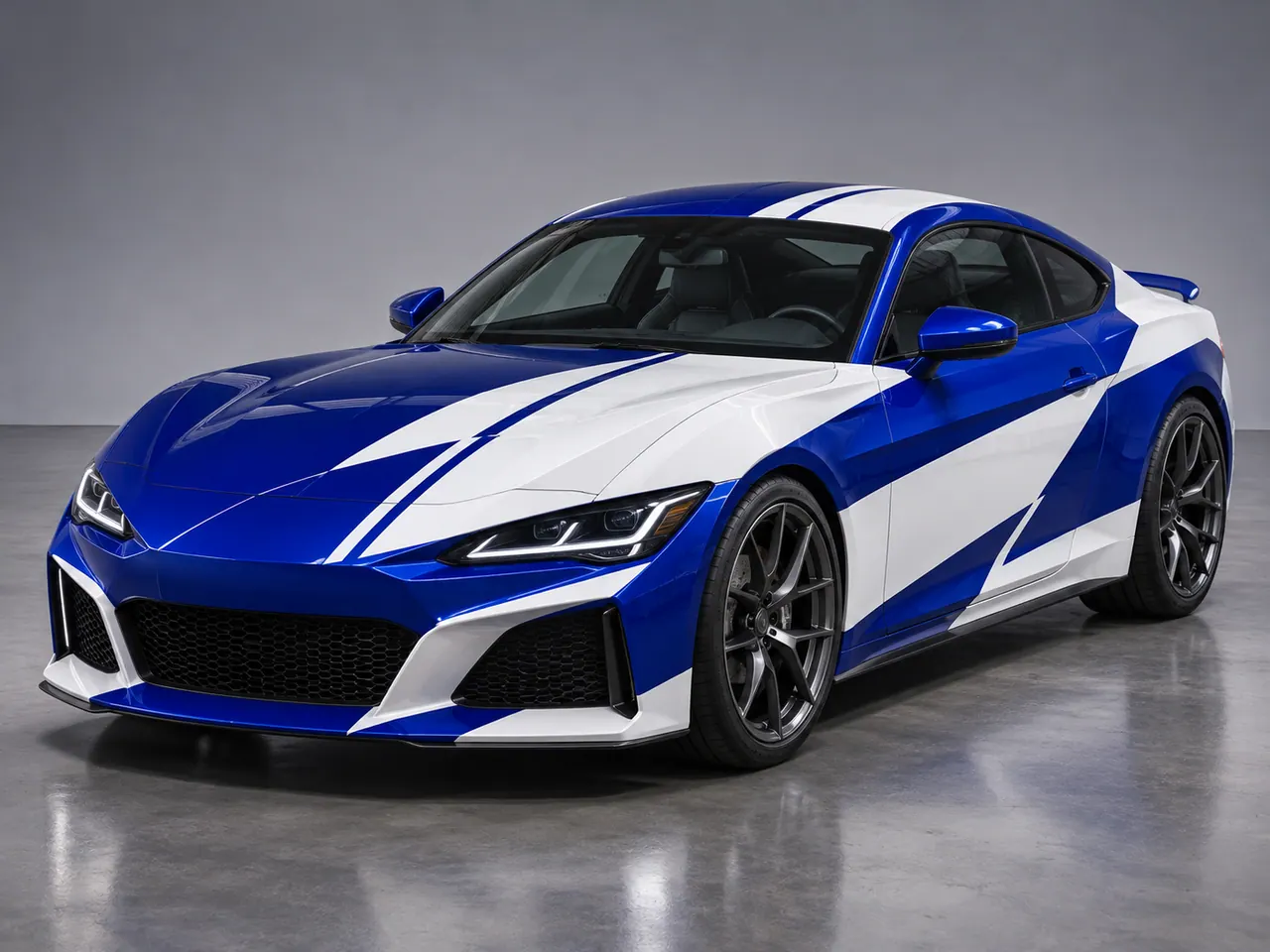
Generic sports coupe · blue geometry
GeometricCoupeBlue
AI-synthesized concept
Generate this on my car →Original design studies
Compare twelve original car livery design concepts across geometric, camouflage, retro, minimal and gradient methods. Filter by visual approach, see how each one works on a generic car shape, then carry a style into the generator for your own vehicle. These are AI-synthesized examples rather than real wraps or measured artwork. Check current pilot availability in the maker before submitting.
Upload your car photoAI-synthesized concepts of generic, unbranded cars.
AI-synthesized concept
Generate this on my car →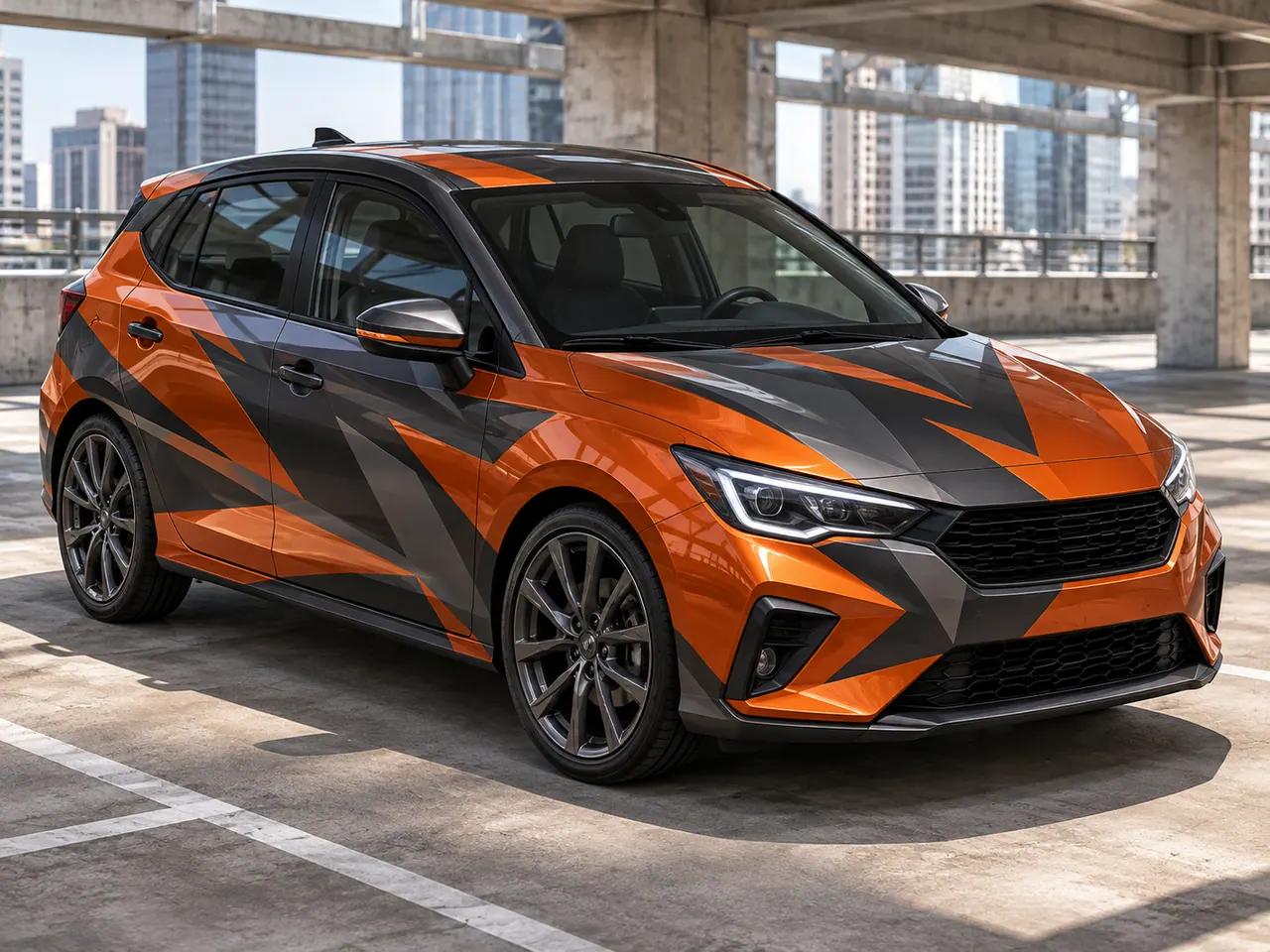
AI-synthesized concept
Generate this on my car →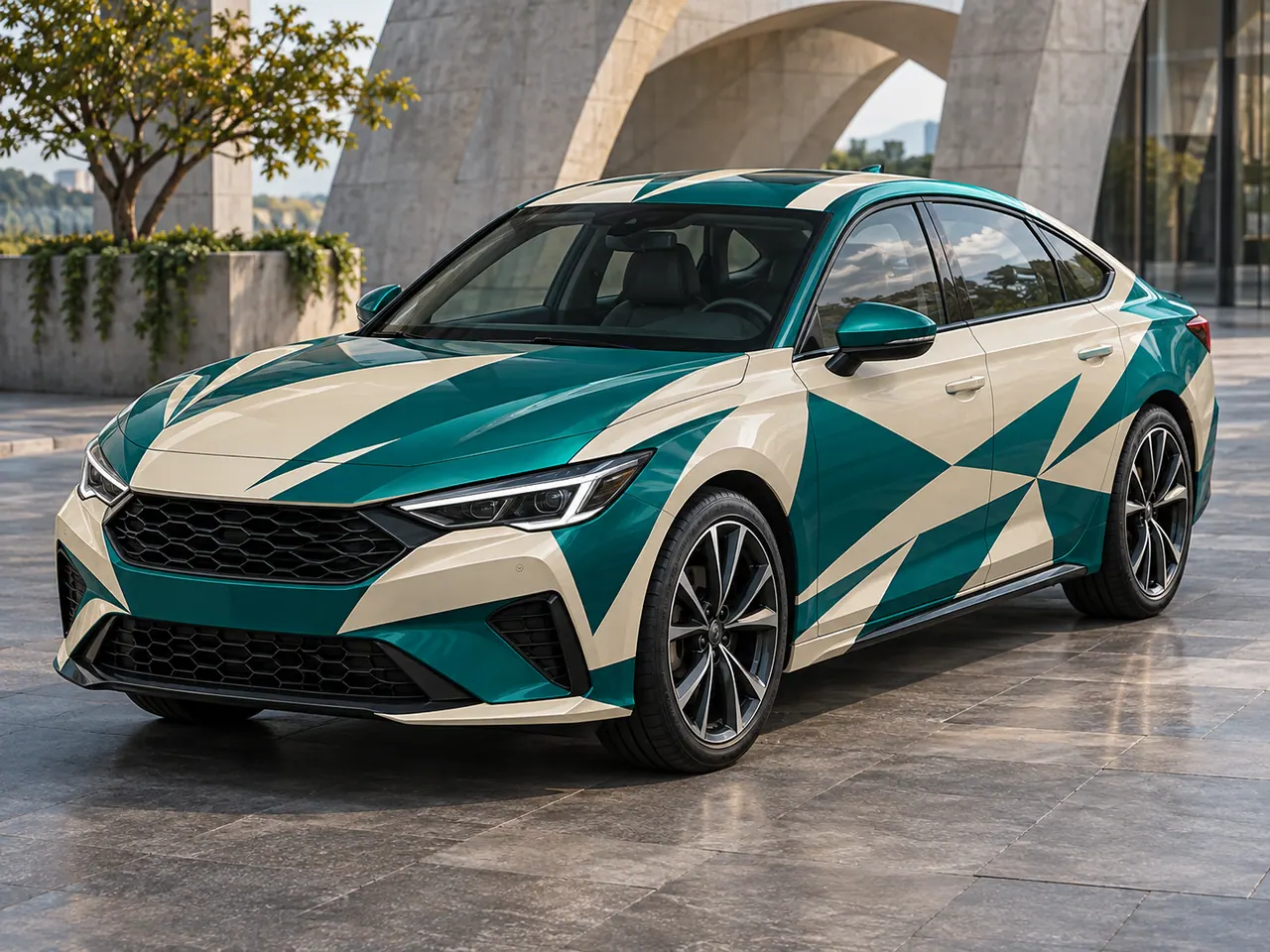
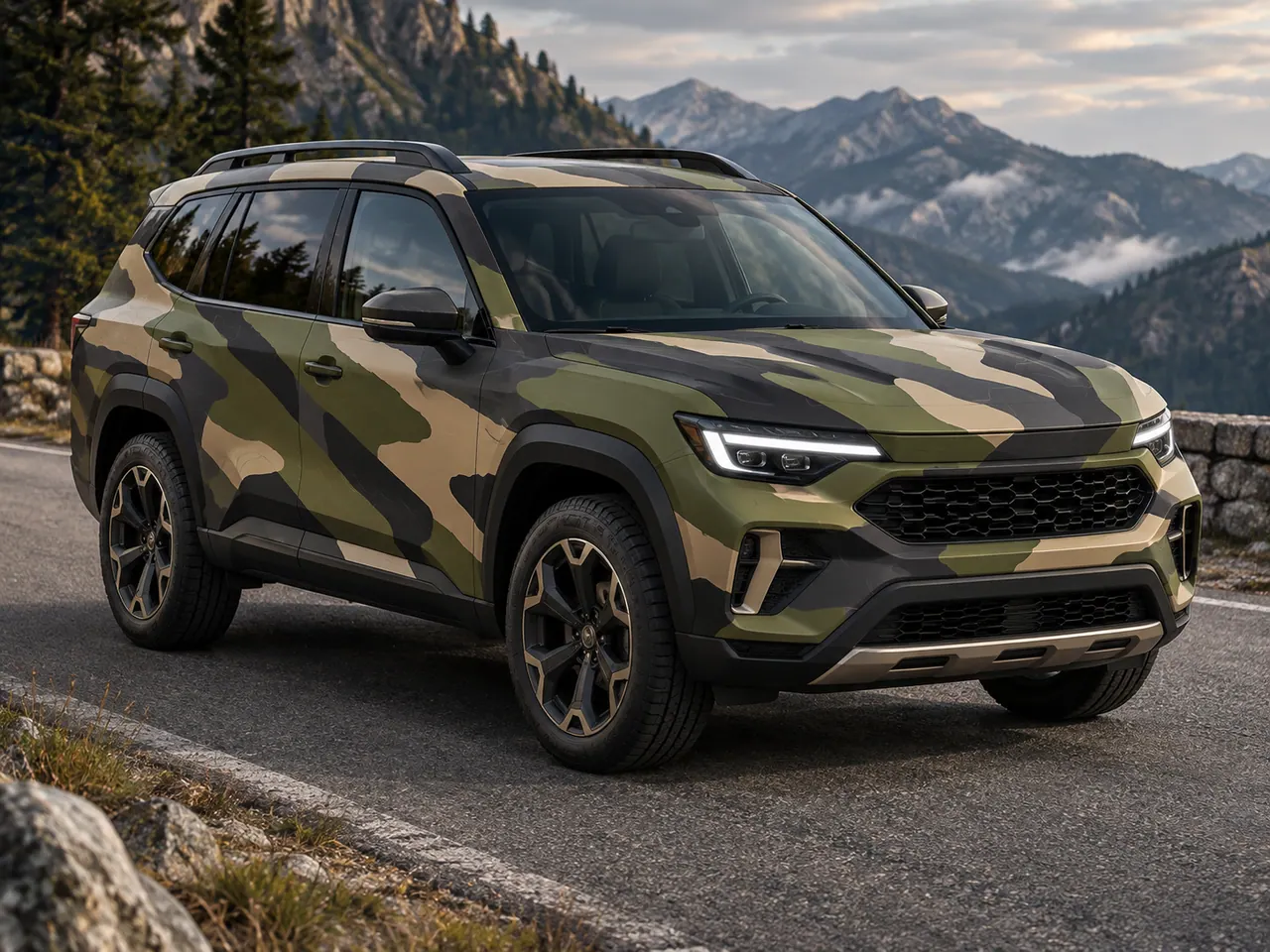
AI-synthesized concept
Generate this on my car →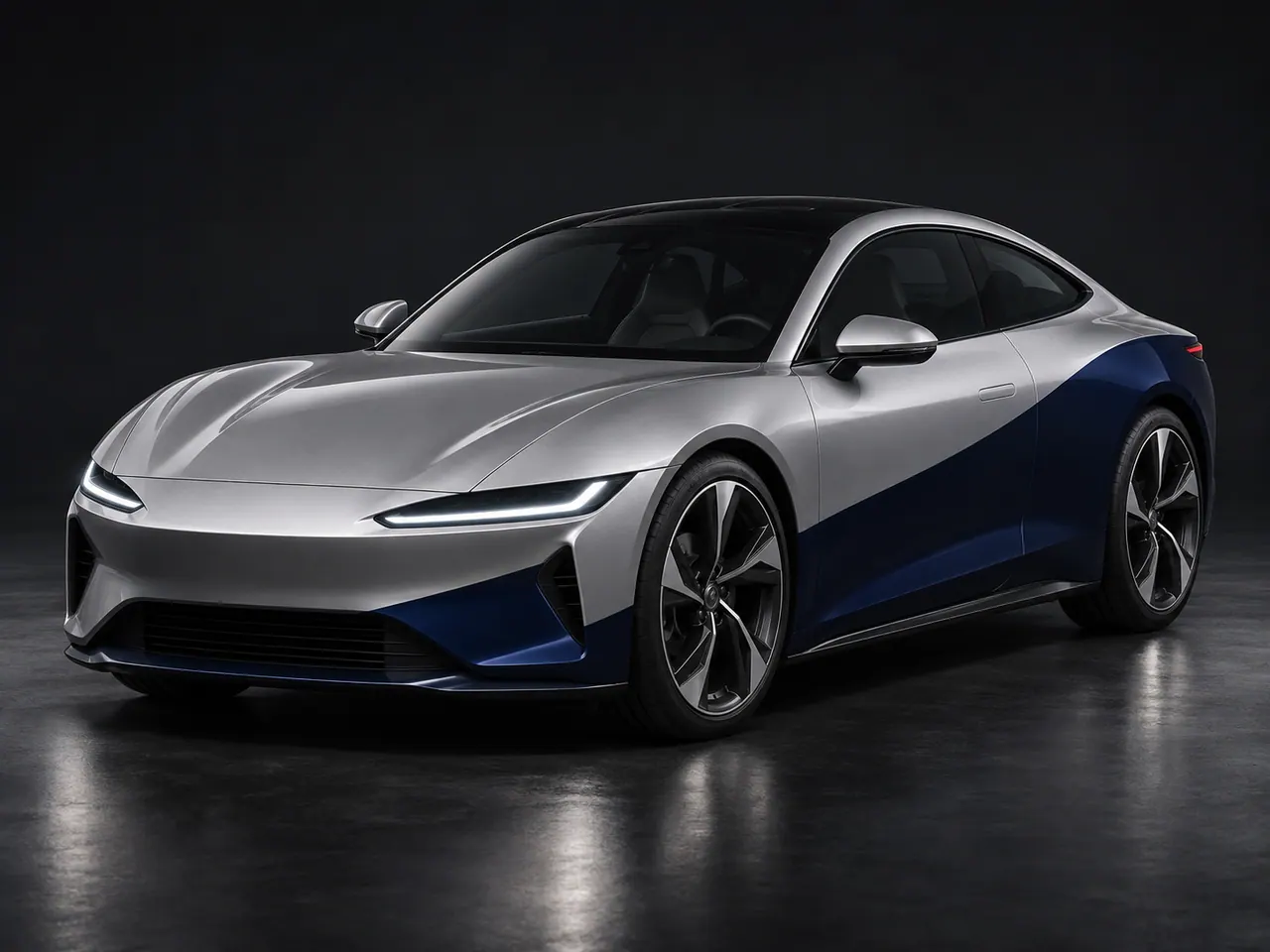
AI-synthesized concept
Generate this on my car →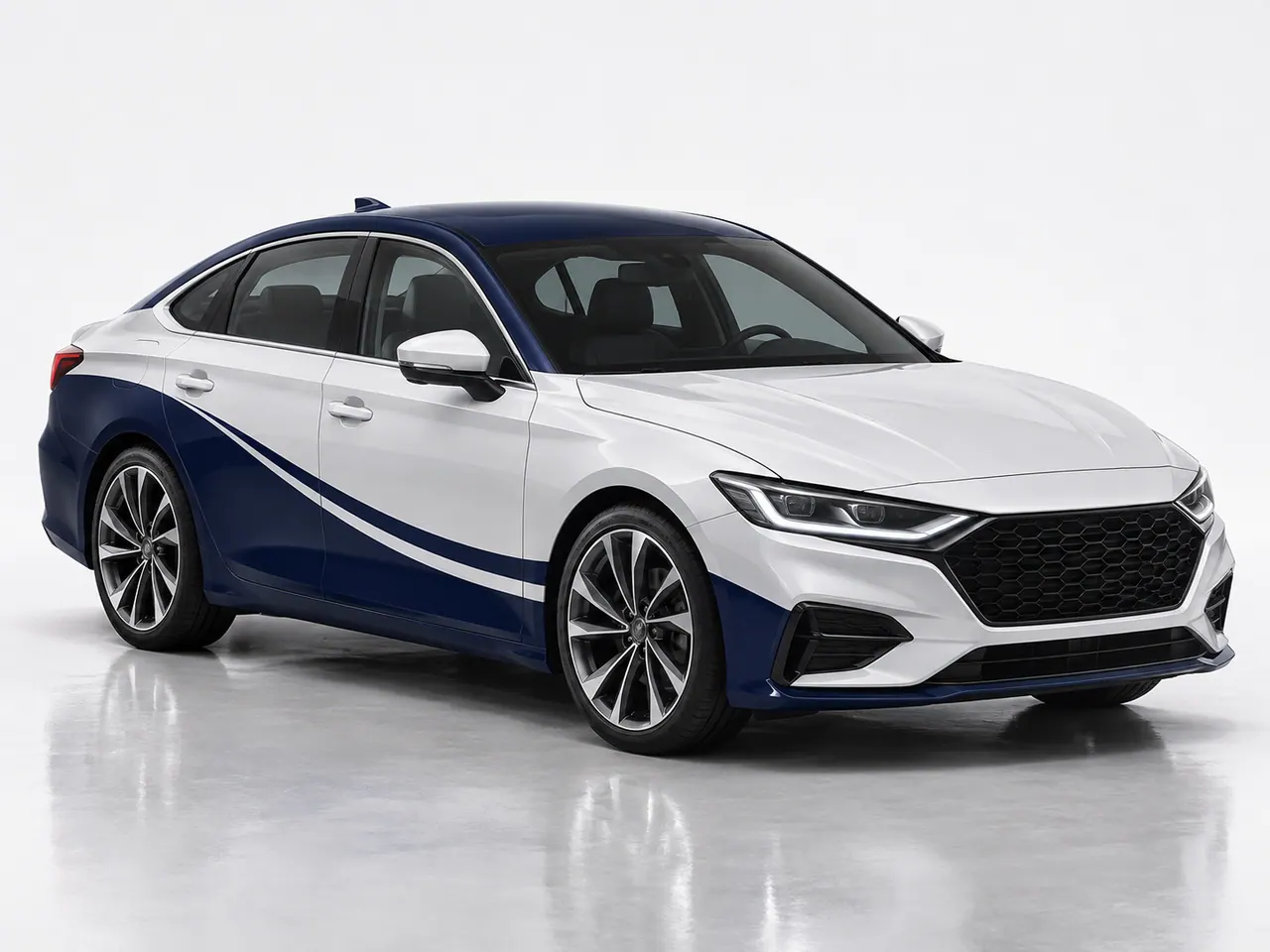
AI-synthesized concept
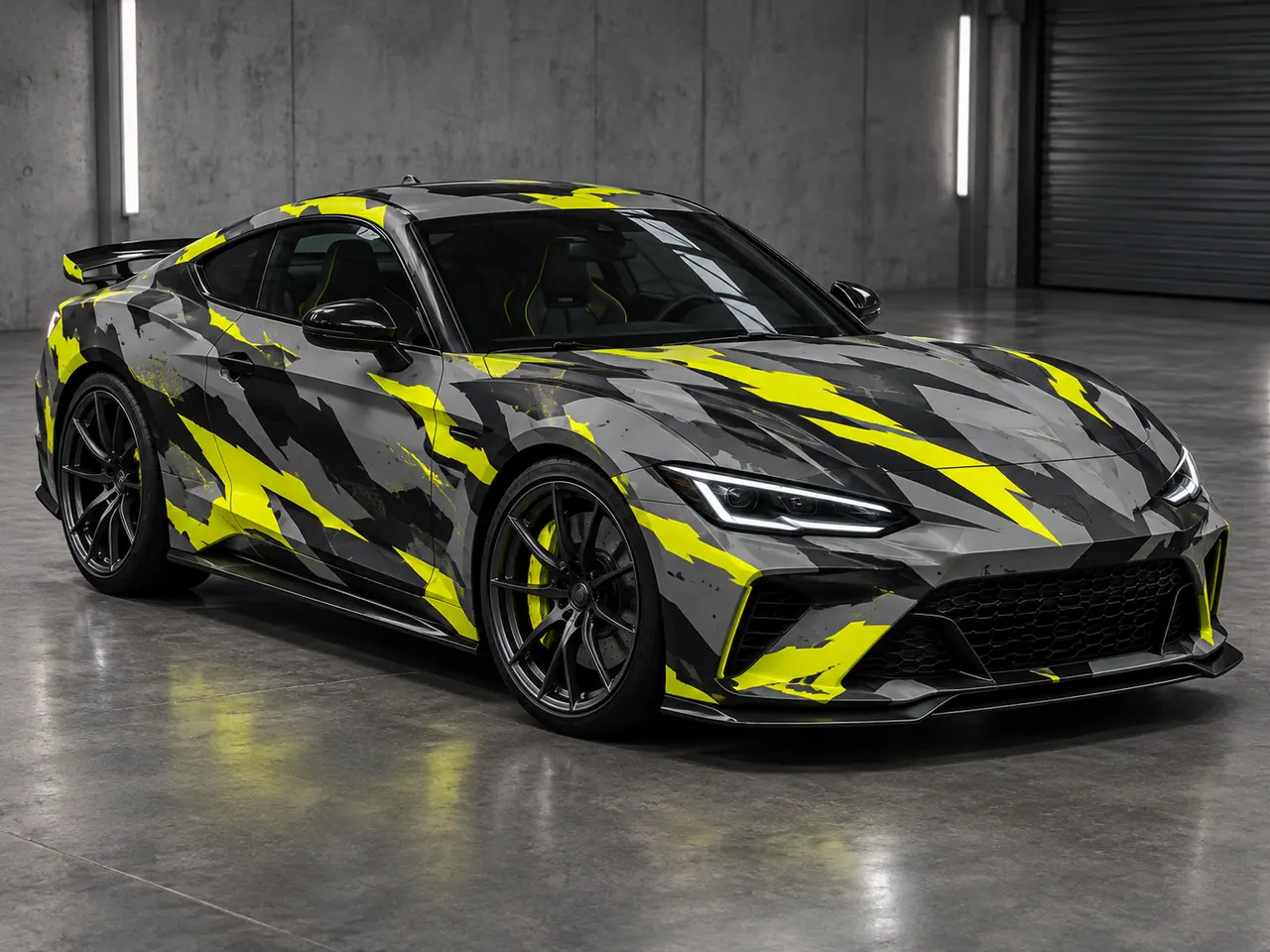
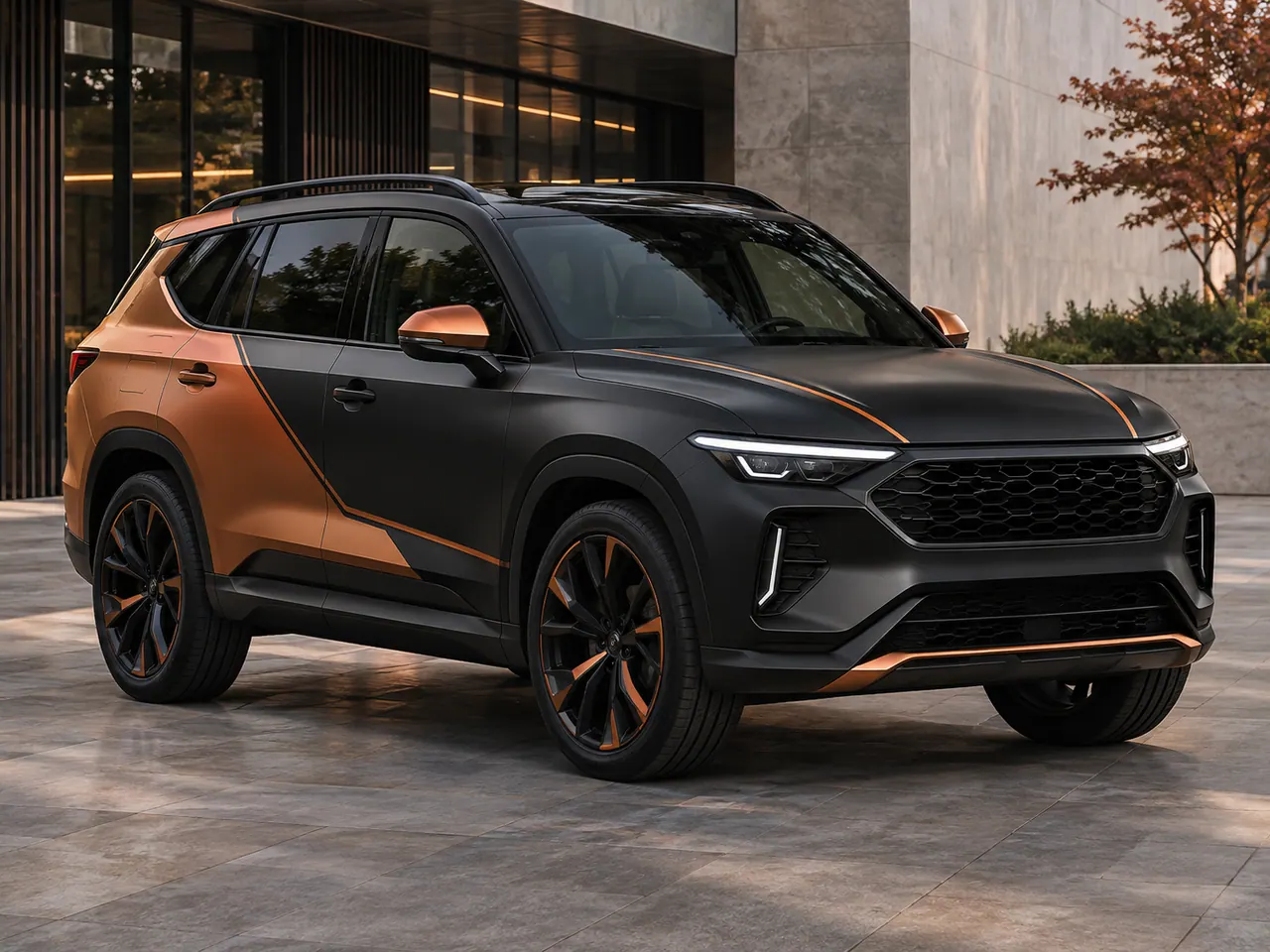
Generate this on my car →Geometric car livery design starts with the shape of the vehicle. A coupe gives you long, low surfaces for sharp diagonals, while a hatchback benefits from larger blocks that stay readable across a shorter door. Pick one dominant color and one supporting color before adding small accents. Align edges to the hood, shoulder line and wheel arches so the pattern feels related to the body instead of pasted over it. Camouflage takes a different approach: repeated irregular shapes can make the silhouette feel active without imitating a military vehicle. Keep contrast high enough that the concept still reads at a distance, and leave lights, windows and safety features clear. These synthetic examples are visual starting points. A wrap professional needs measured panels and should check local road rules before production.
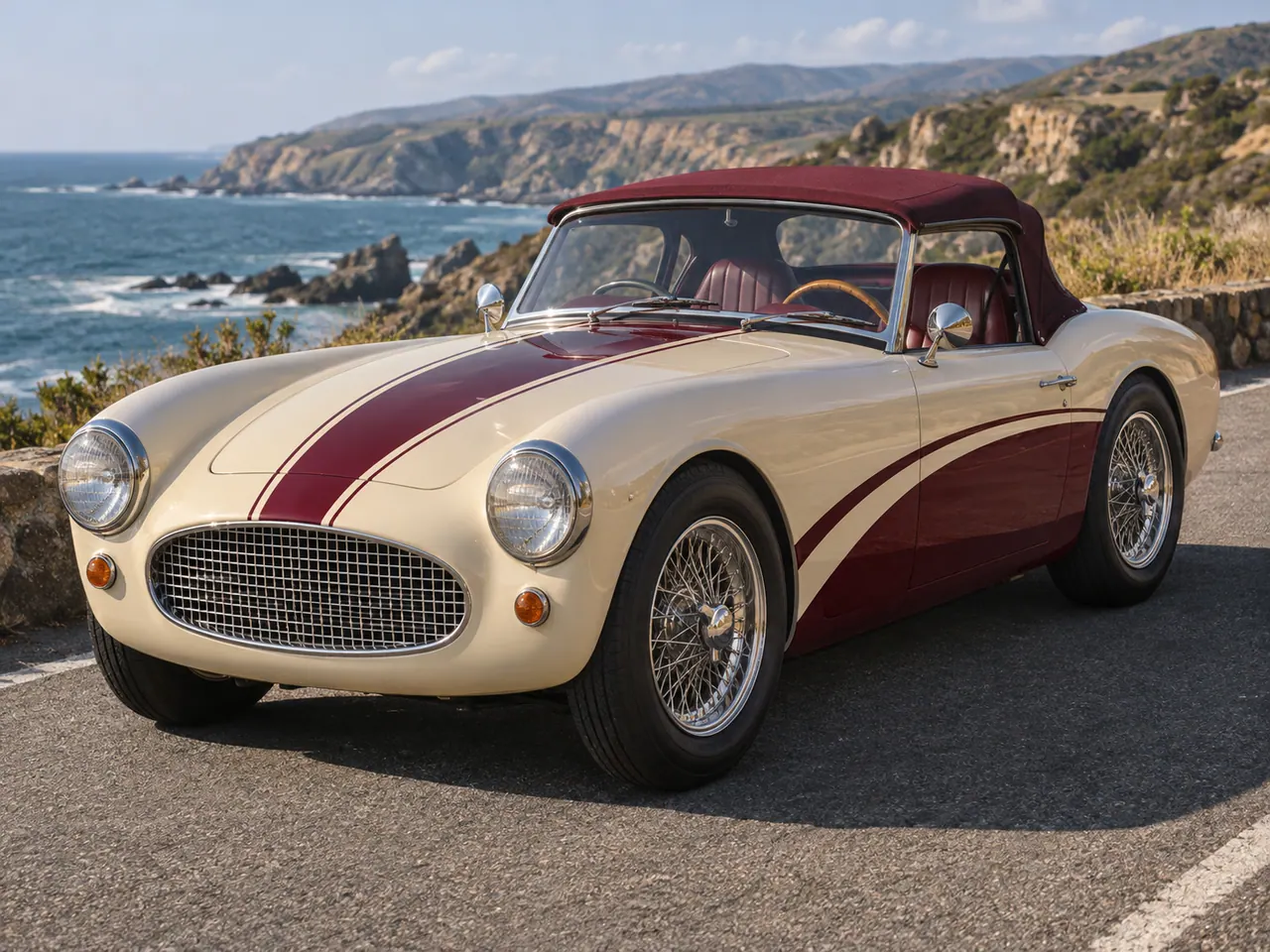
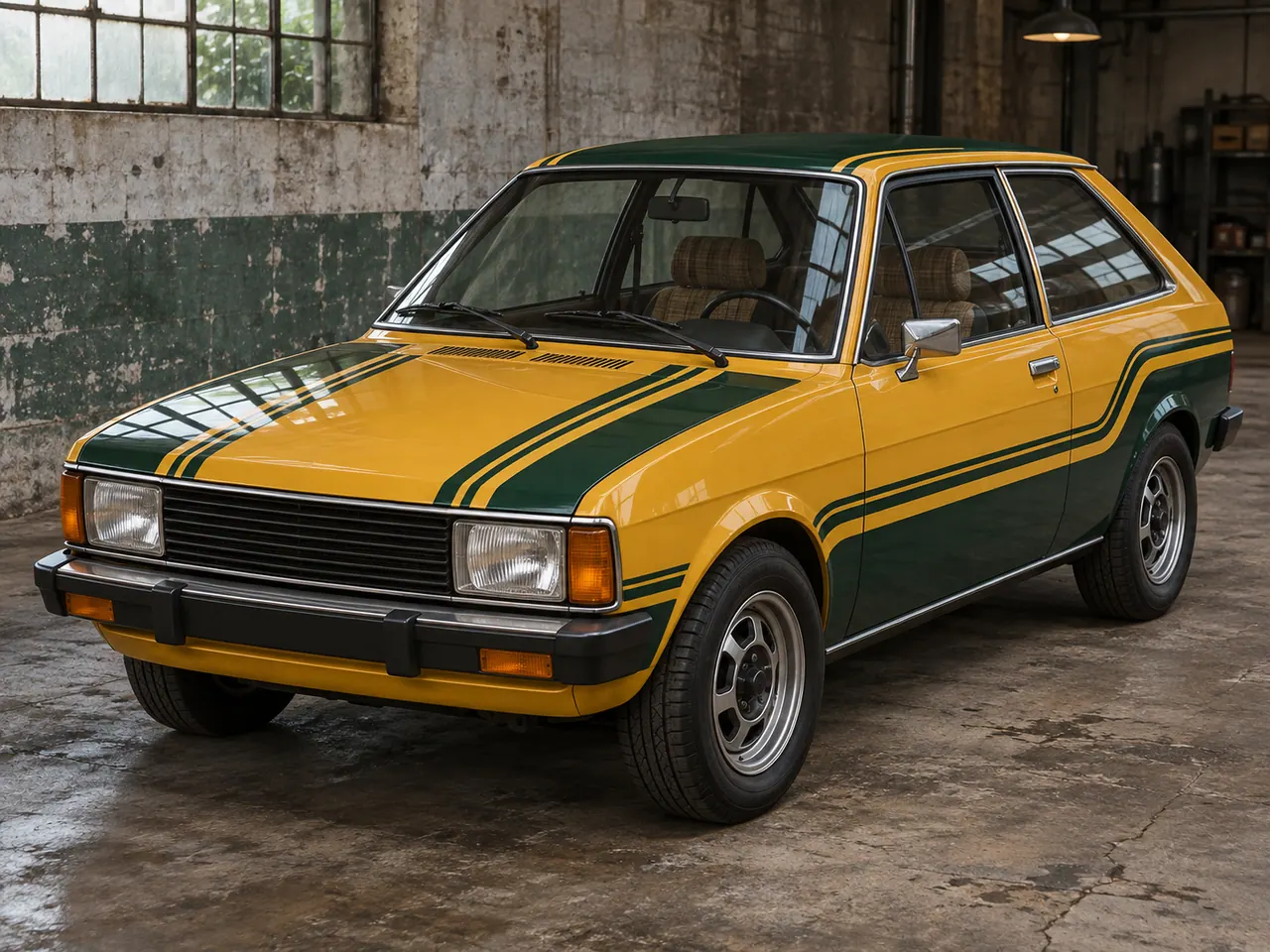
Retro livery ideas can borrow a sense of era through color, spacing and stripe proportions without copying a famous racing team or manufacturer. Cream, burgundy, mustard and deep green can feel nostalgic when the shapes are simple and the car remains the focus. Minimal designs work in the opposite visual register: a two-tone division, a single sweep or one carefully placed accent can make a modern car feel deliberate. This approach often suits a daily driver because it does not overwhelm the body. For either method, test how the design looks from the front, side and rear. One generated image cannot prove that a stripe joins cleanly across panels. Treat the gallery as an idea board, then refine the concept with actual vehicle measurements and material samples.
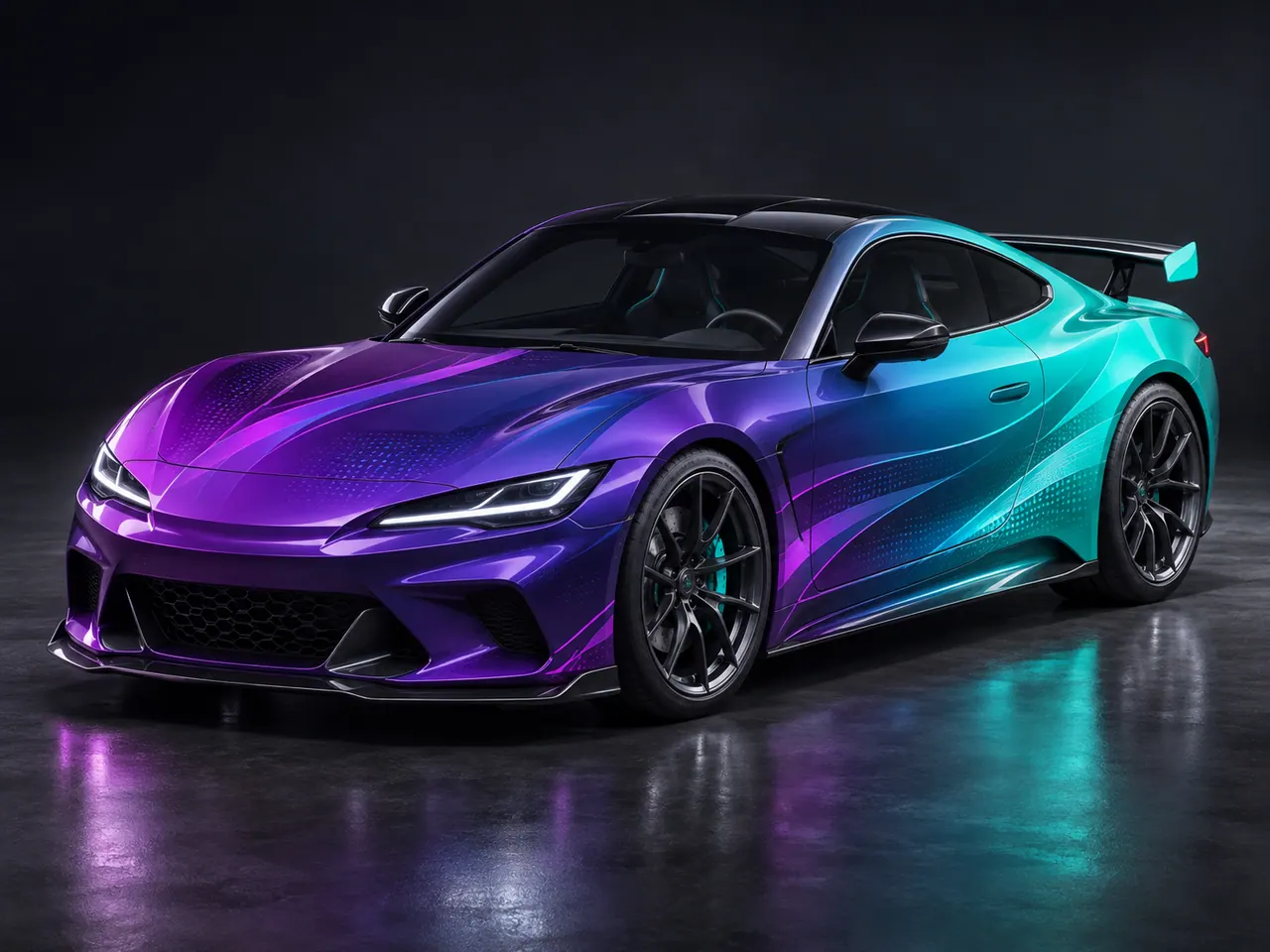
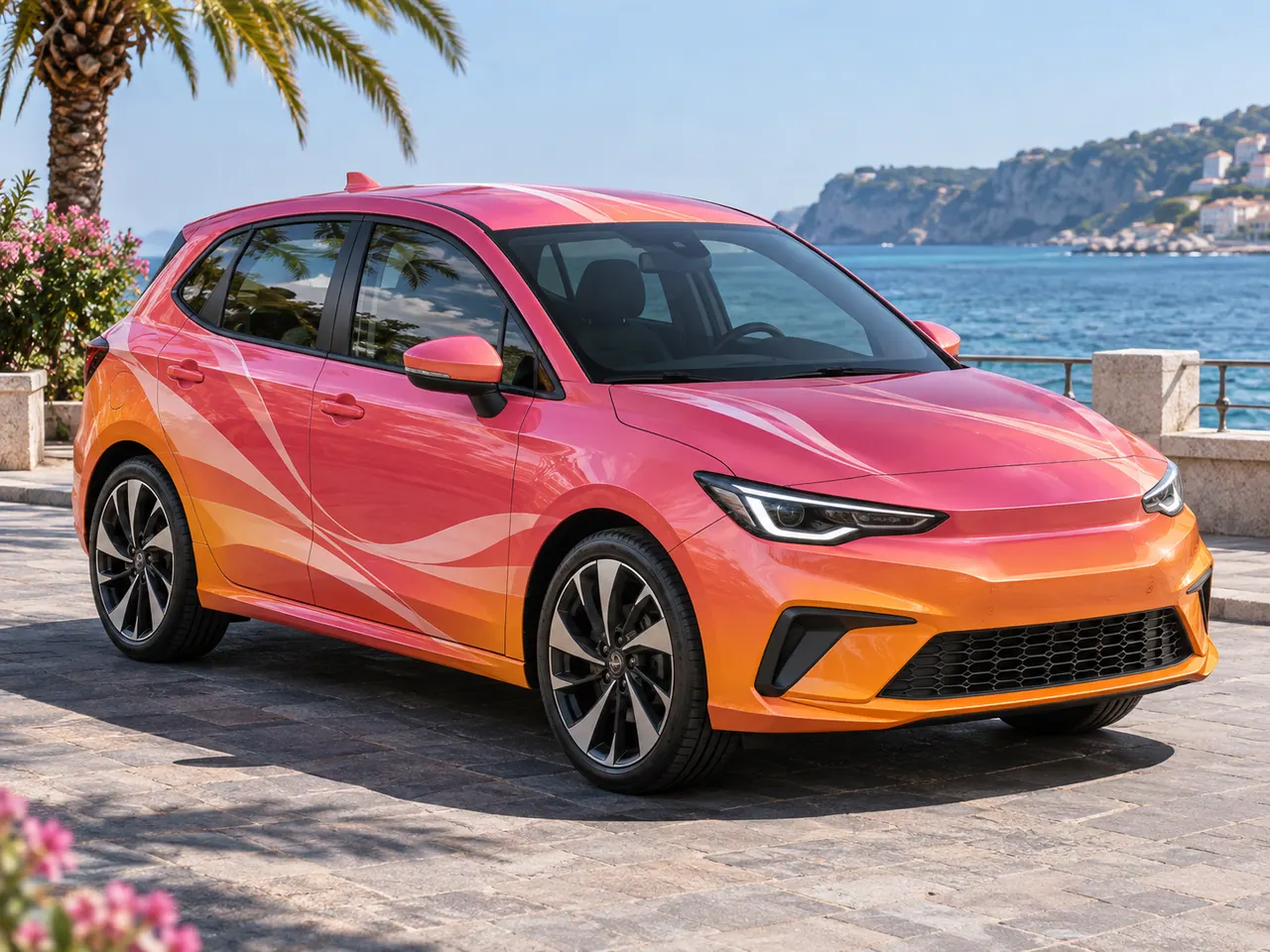
A gradient car livery design can create motion even when the vehicle is parked. Purple into cyan and coral into orange are two ways to make a large surface feel continuous, but the transition should have a clear direction. Decide whether the color moves from front to back or from roof to sill, then keep the wheel arches and trim from breaking the effect unexpectedly. Strong gradients can be difficult to reproduce consistently across doors, bumpers and replacement panels. Look at the concept in daylight and shade before choosing a final palette. The images here are AI-synthesized demonstrations of generic cars, not downloadable print files or promises about a finished wrap. Use them to compare mood and composition; a production designer should resolve color matching, panel seams and installation details.
No. They are AI-synthesized concepts of generic cars. They are not photographs of completed wraps or production artwork.
Yes. Choose geometric, camouflage, retro, minimal or gradient to compare examples in that method.
Yes. Each case opens the generator with its design style selected. You can still change the style there.
Use them as references. A professional needs to check real vehicle dimensions, materials, seams and legal requirements before installation.