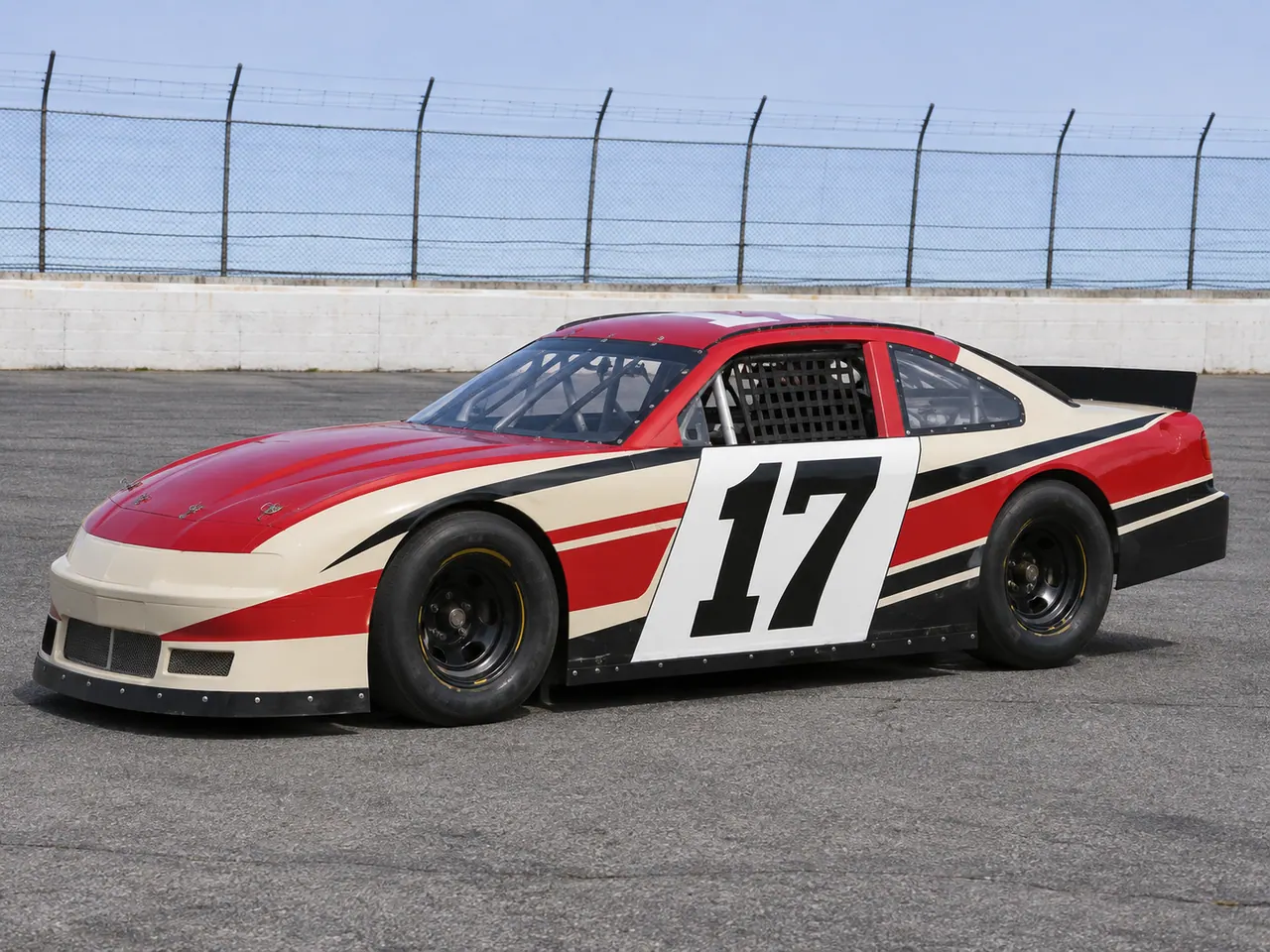
90s-inspired red number block
90s-inspiredSolid numberRed
AI-synthesized concept
Generate this on my car →Unofficial oval racing concepts
Explore twelve original oval racing livery concepts organized by 90s-inspired, 2000s-inspired and modern visuals. Compare solid, outlined and slanted number treatments, then open the generator with the Oval racing style selected. Every car is a fictional, unbranded AI-synthesized study, not an official NASCAR design or a real team vehicle. Check current pilot availability in the maker before submitting.
Upload your car photo12 concepts shown
AI-synthesized, fictional and unbranded car studies.
AI-synthesized concept
Generate this on my car →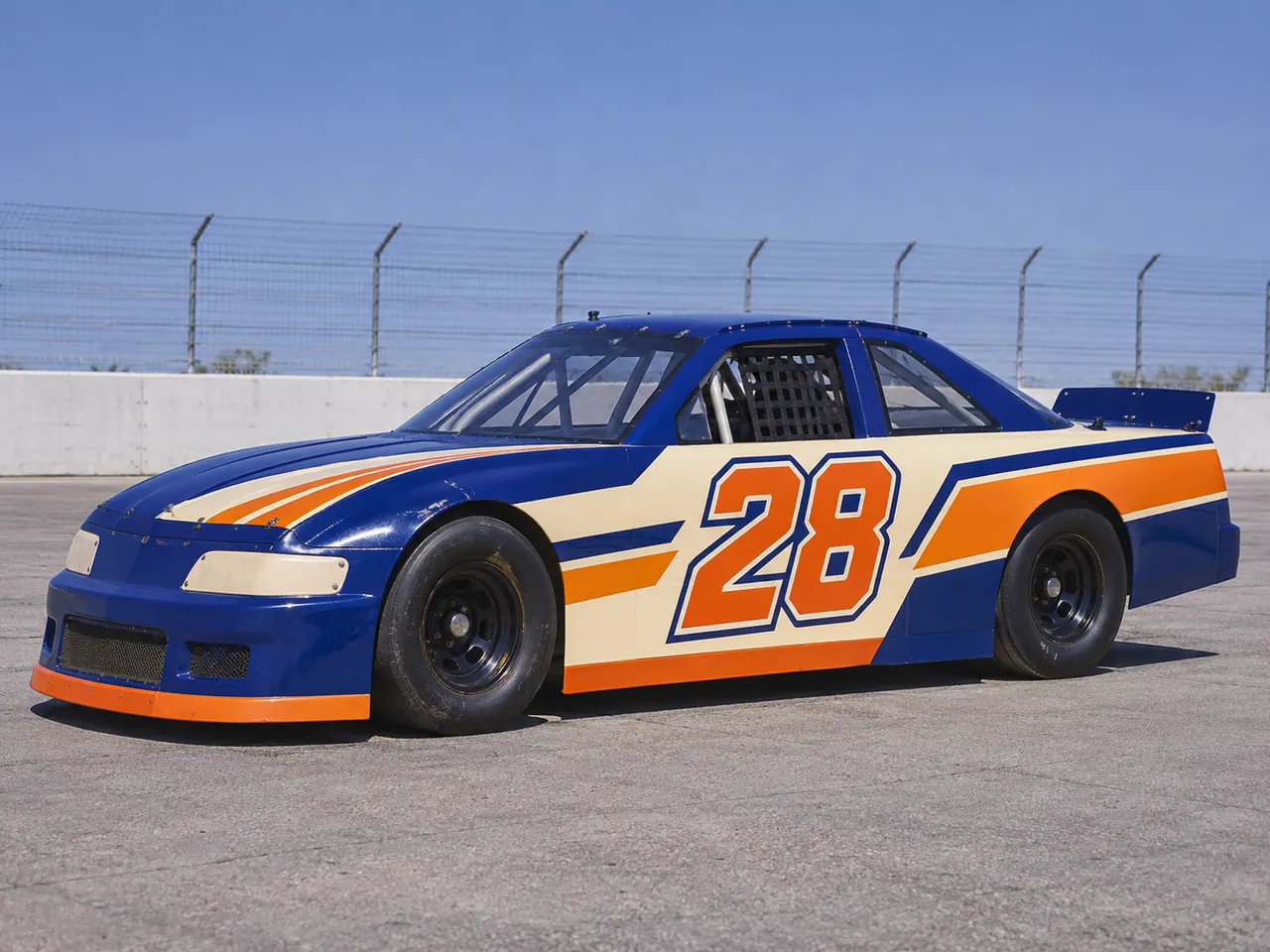
AI-synthesized concept
Generate this on my car →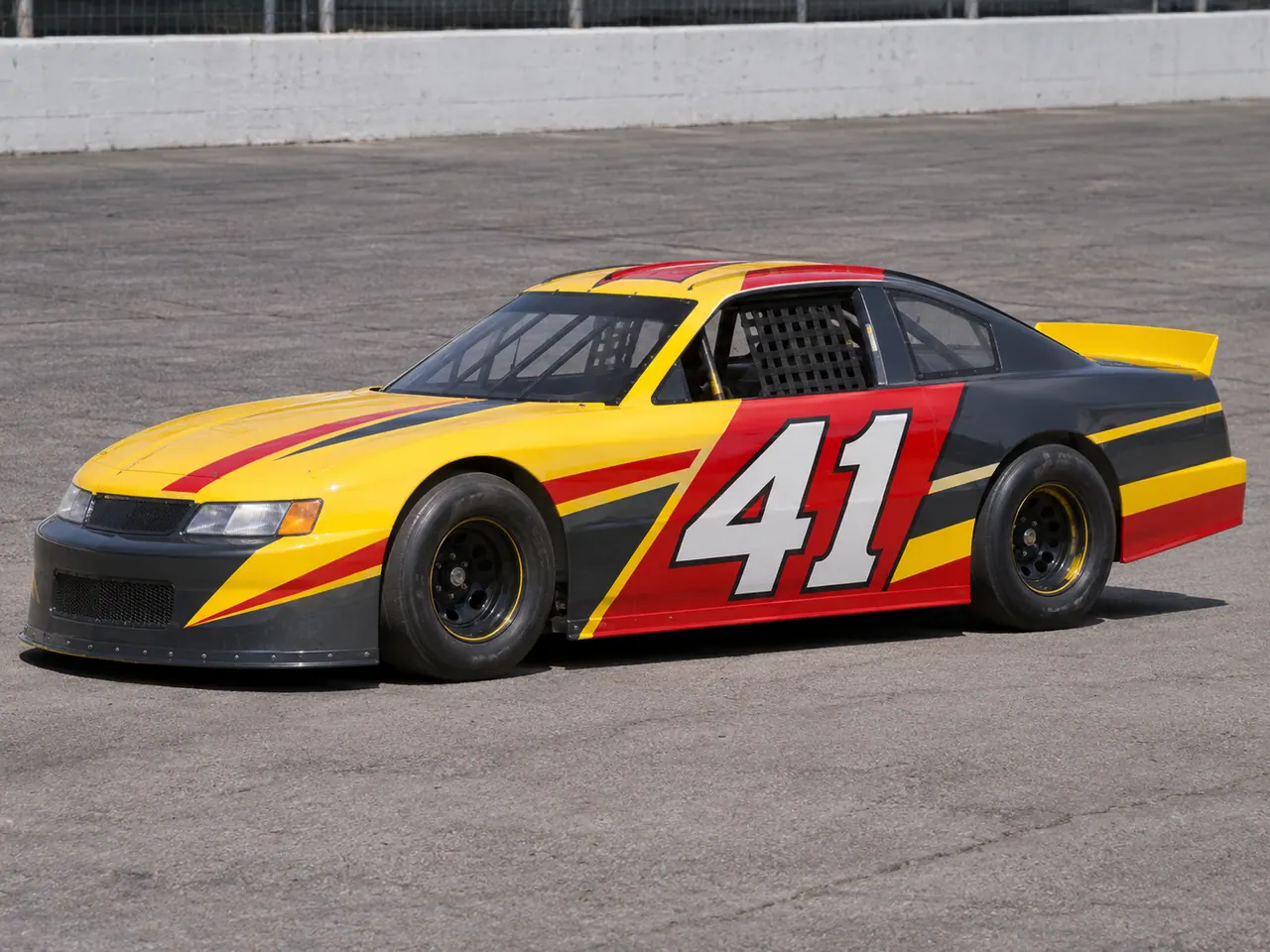
AI-synthesized concept
Generate this on my car →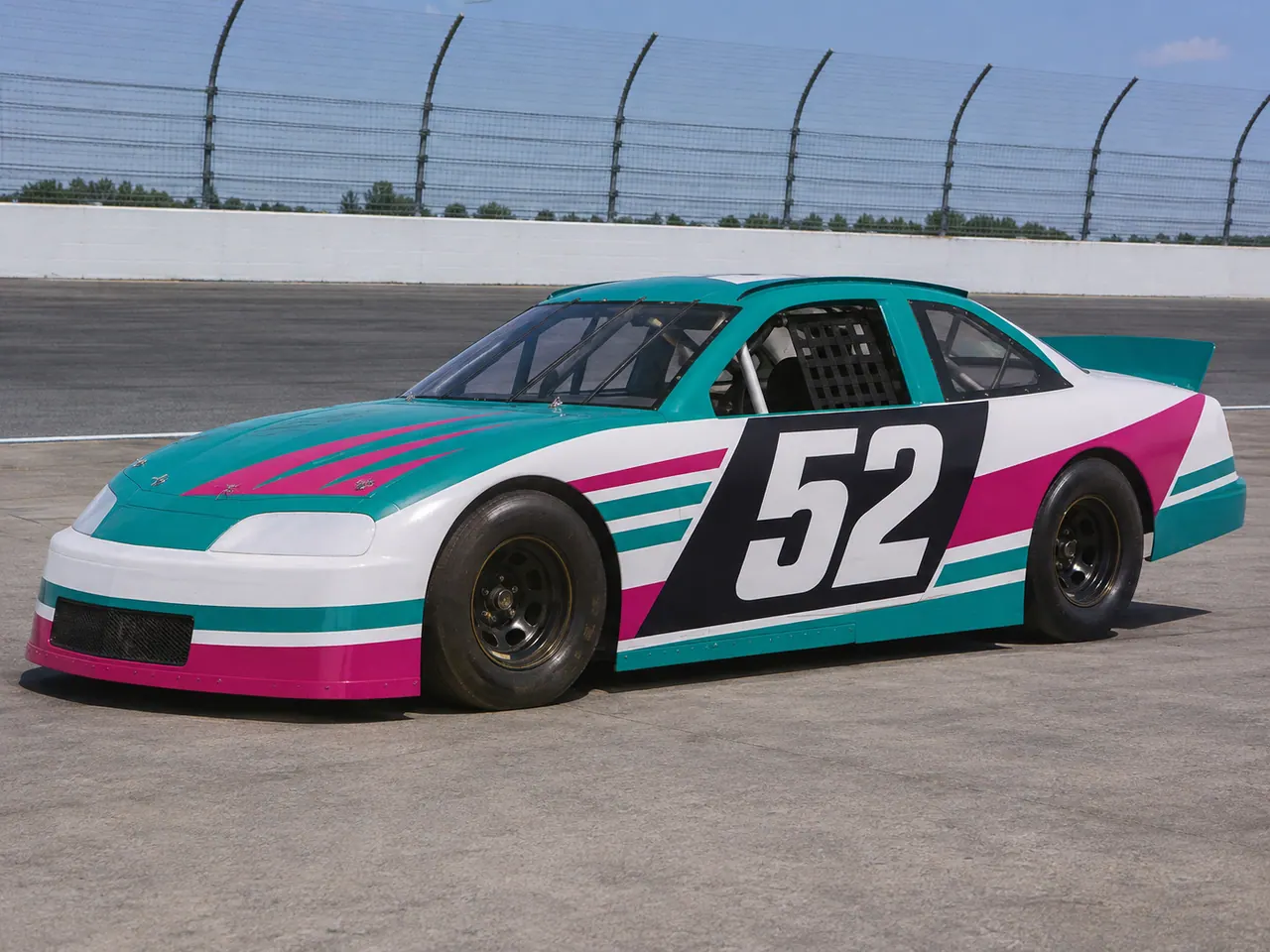
AI-synthesized concept
Generate this on my car →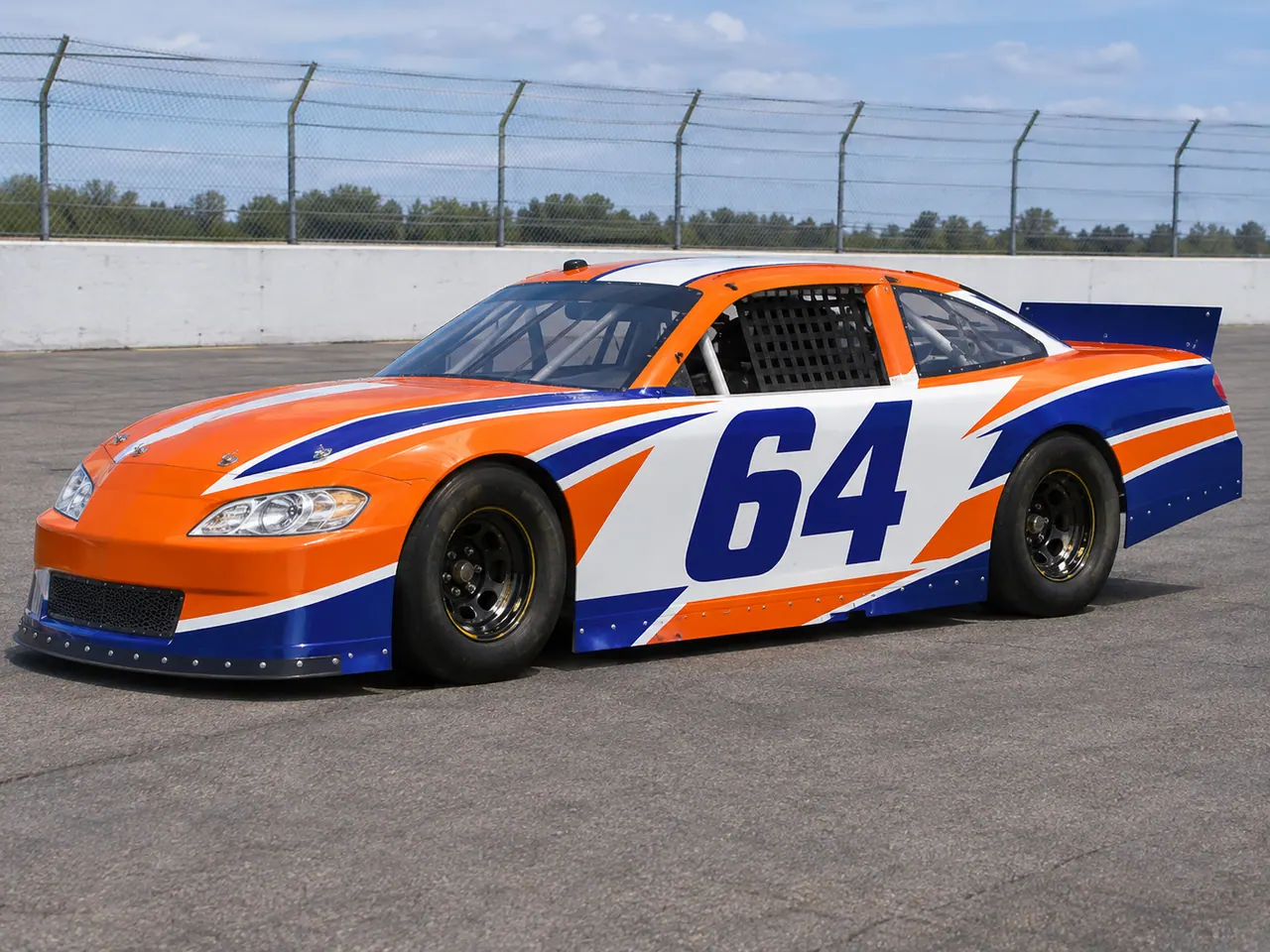
AI-synthesized concept
Generate this on my car →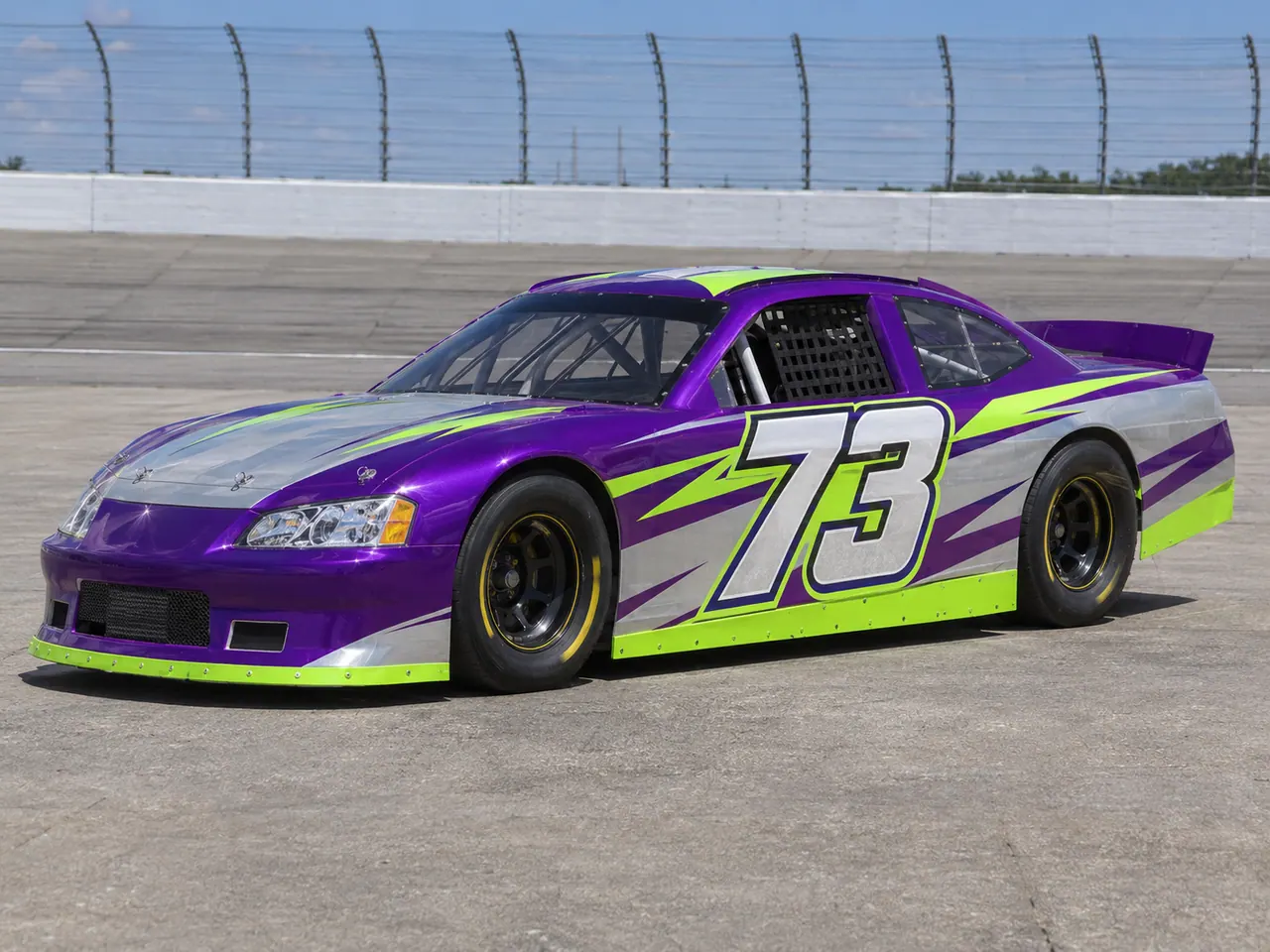
AI-synthesized concept
Generate this on my car →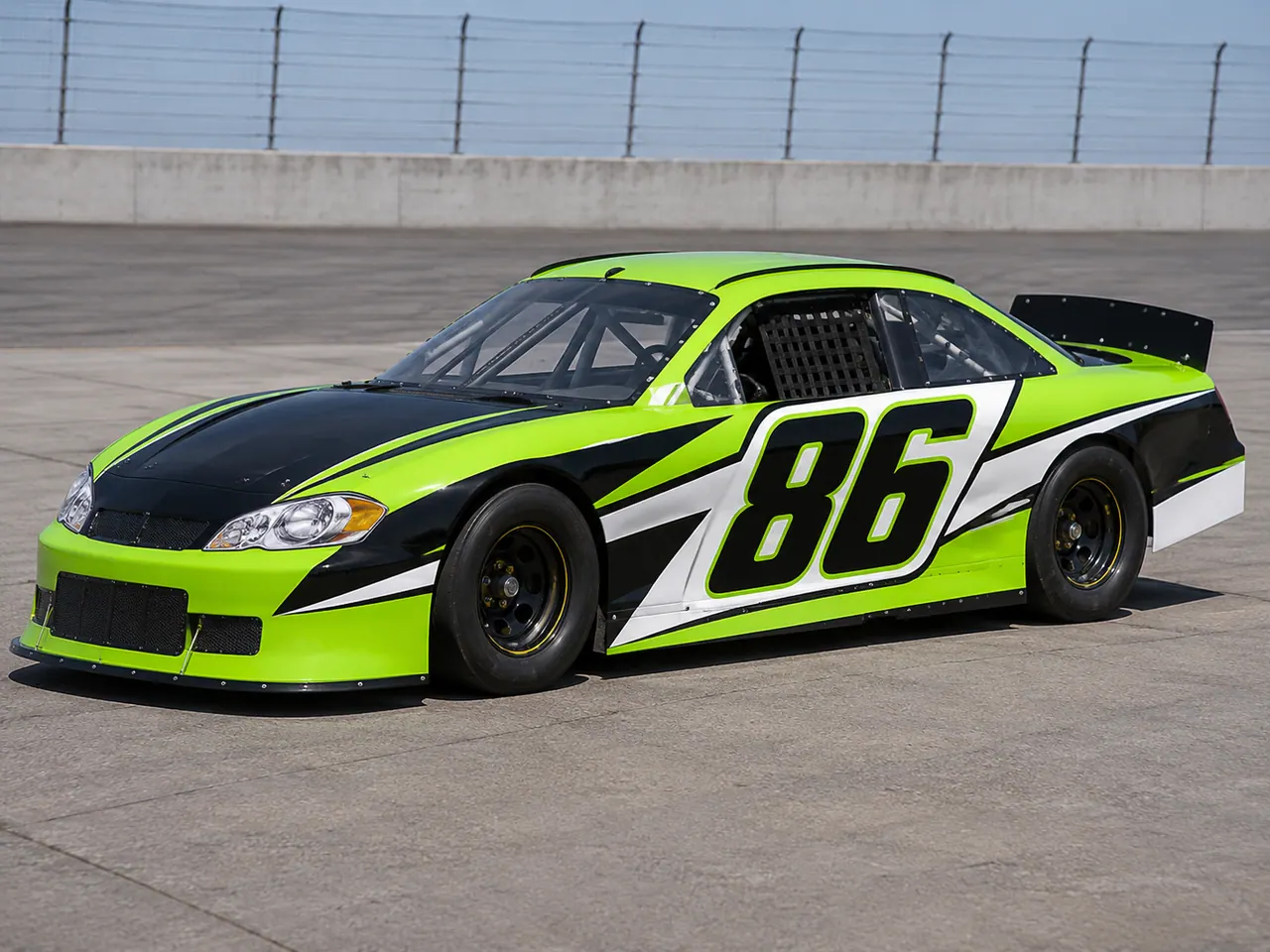
AI-synthesized concept
Generate this on my car →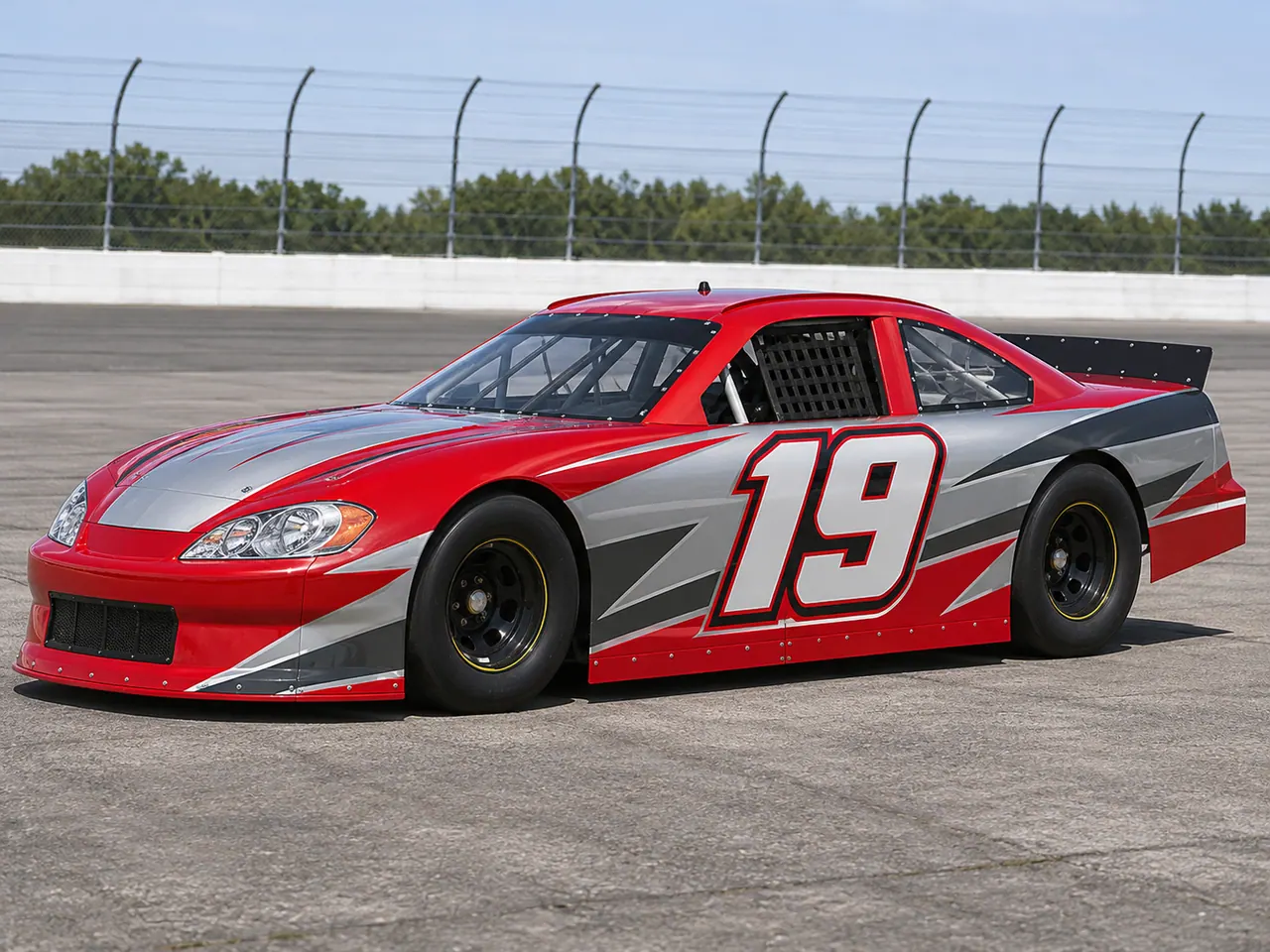
AI-synthesized concept
Generate this on my car →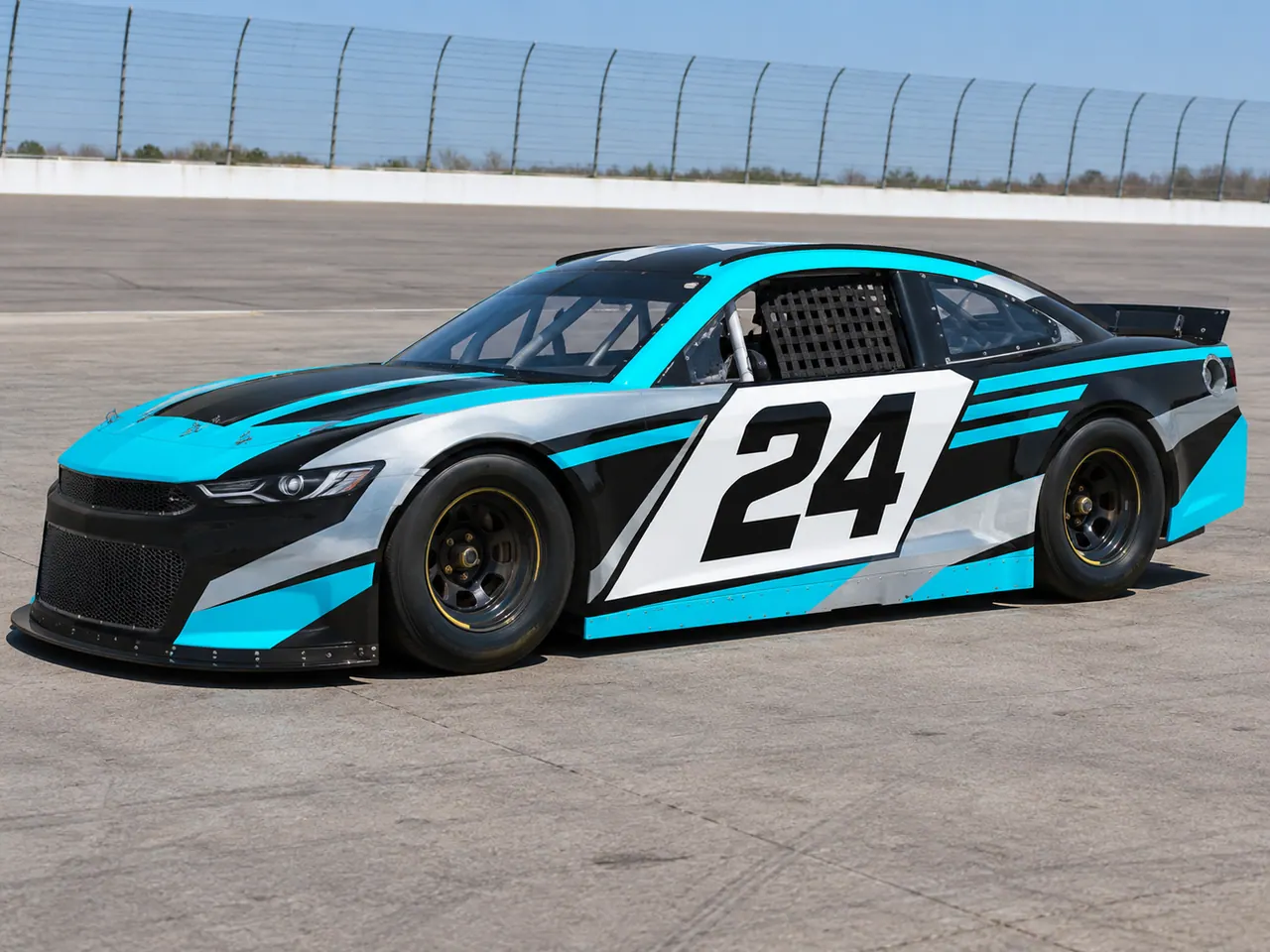
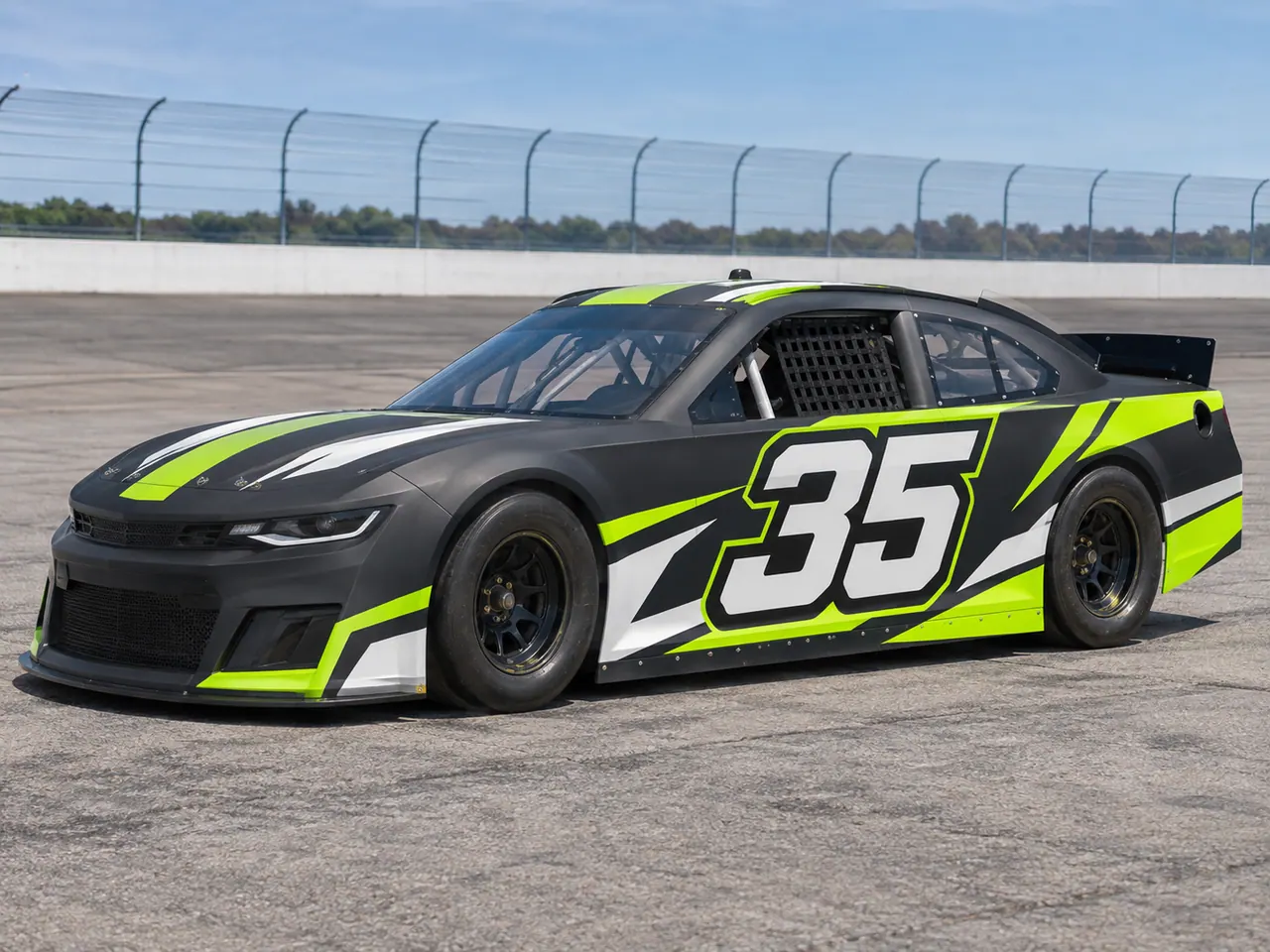
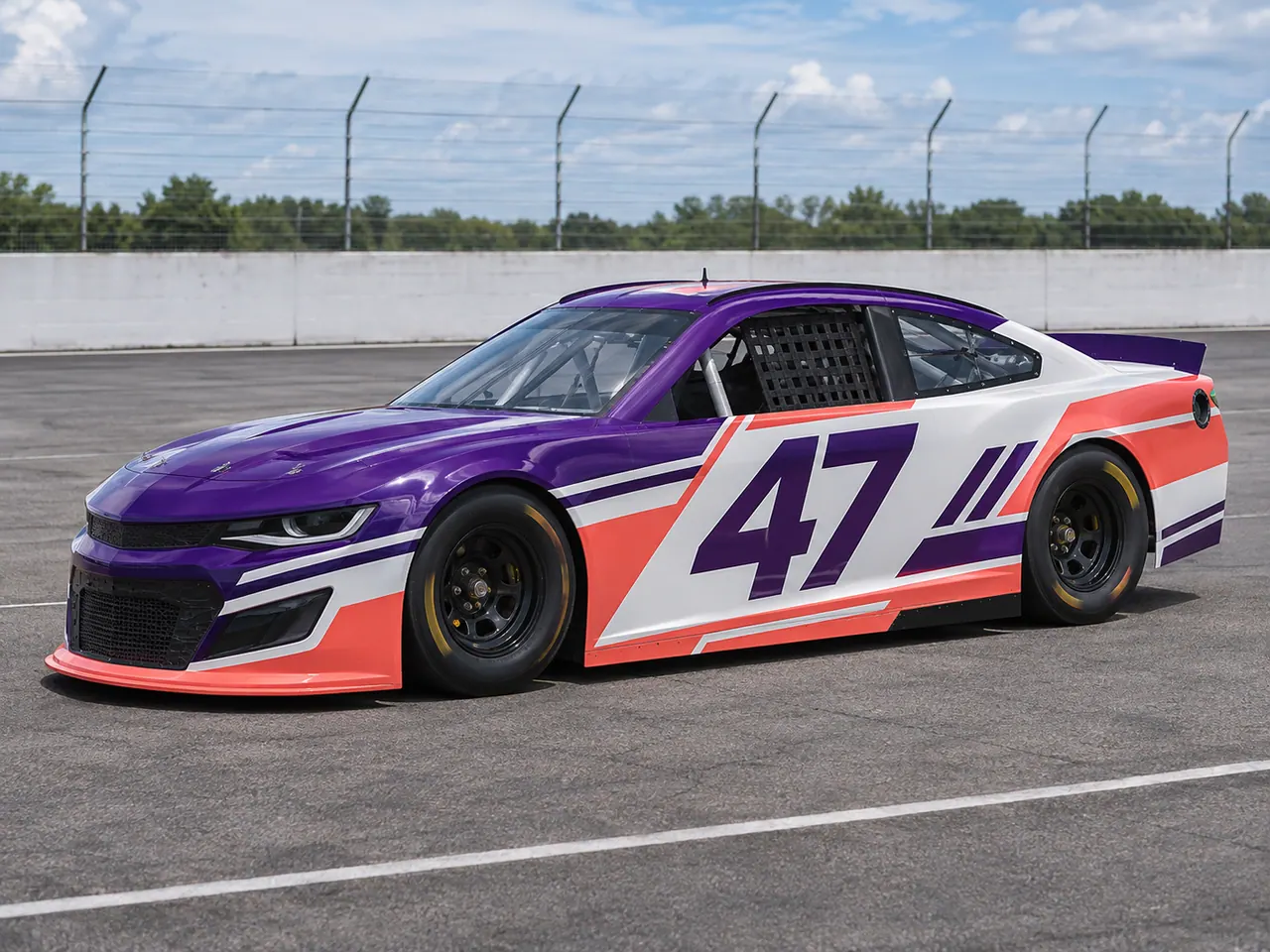
AI-synthesized concept
Generate this on my car →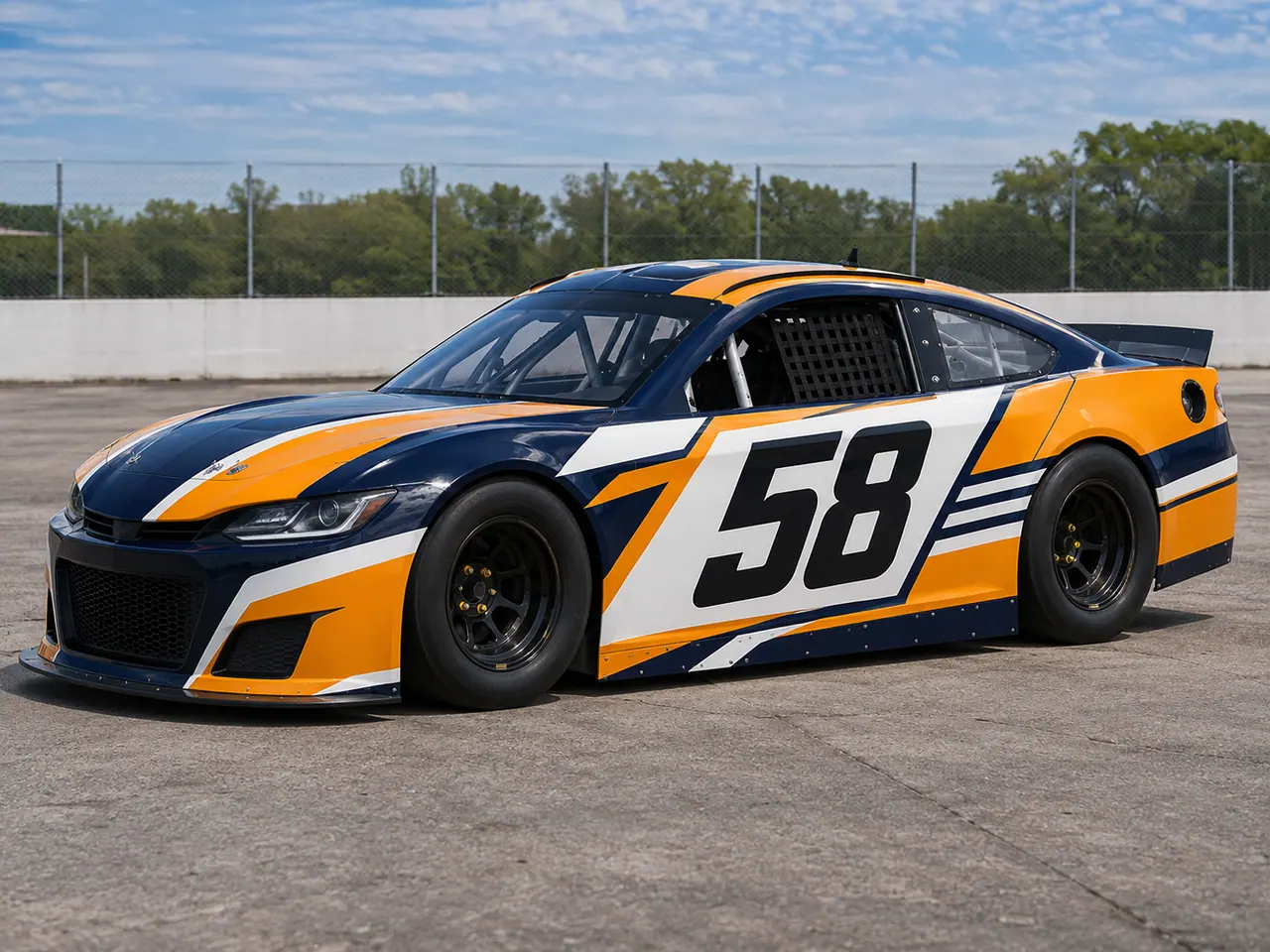
A 90s-inspired concept can start with a strong base color, a broad contrasting side band and a large door number panel. Keep the number readable when the car is viewed at a distance. Solid digits work well against a simple field; an outline can bring the base paint through the panel without losing the shape. Try to carry one stripe from the front fender toward the rear quarter, then leave enough quiet space around the door to prevent the graphics from becoming crowded. These images are original AI-synthesized studies of fictional coupes. They do not reproduce a historic team, sponsor, driver or manufacturer scheme. Use the gallery to compare visual balance, then test your chosen palette on a photo of your own car.
For a 2000s-inspired livery, experiment with a sweeping shape that connects the hood, door and rear quarter. A bright secondary color can sit above a darker base and make the side feel energetic. The number can remain the anchor: set it inside a clean panel, then let smaller angles or curves point toward it. Look at the car from several distances. If the number disappears in a small preview, increase contrast or simplify the shapes behind it. A slanted panel can create movement, while an outline can make a dense design feel lighter. Each example here is a fictional concept, not a replica of a specific race car. Before printing a wrap, check panel boundaries and fit with your installer.
A modern-inspired stock car concept can feel bold with fewer elements. Start with one dominant color, one clear number and a single directional graphic. Cyan against black, lime against charcoal or violet against white each creates a different rhythm. Solid numbers usually offer the quickest read. Outlined numbers can feel lighter, but need enough stroke weight. Slanted numbers add motion, yet their angle should agree with the stripes around them. The filters below let you compare these treatments within each visual era. Open a card to carry the oval racing style into the generator, then add your own prompt or car photo. The images are AI-synthesized and may contain imperfect details; they are idea references, not production artwork.
No. These are independent, fictional AI-synthesized oval racing concepts. They are not affiliated with NASCAR, teams, drivers, sponsors or manufacturers.
Yes. Select a visual era and a solid, outlined or slanted number treatment to narrow the gallery.
No. These are generic fictional coupes rather than exact supported models. A card selects the Oval racing style and carries its concept reference; you can choose a model or upload your own photo.
No. They are AI-synthesized visual studies. A wrap installer would need accurate vehicle measurements, artwork and your approval before production.